Written scope
What gets extracted, removed, and treated
When raw sewage backs into your basement, emergency sewage water extraction Roseville MI is the only call that matters. We pull the standing water, cut out what's contaminated, and dry the structure before mold sets in. Our crews cover Downtown Roseville 48066, Eastpointe, Old Roseville, and Fraser, and we run truck-mounted extraction units with containment barriers so the rest of your home stays clean. Call +15863528402 and we roll.
Every Roseville job starts with containment and ends with a moisture reading that matches a dry baseline. Here is what is covered in a standard emergency sewage water extraction Roseville MI visit, and what gets quoted separately if the damage runs deeper.
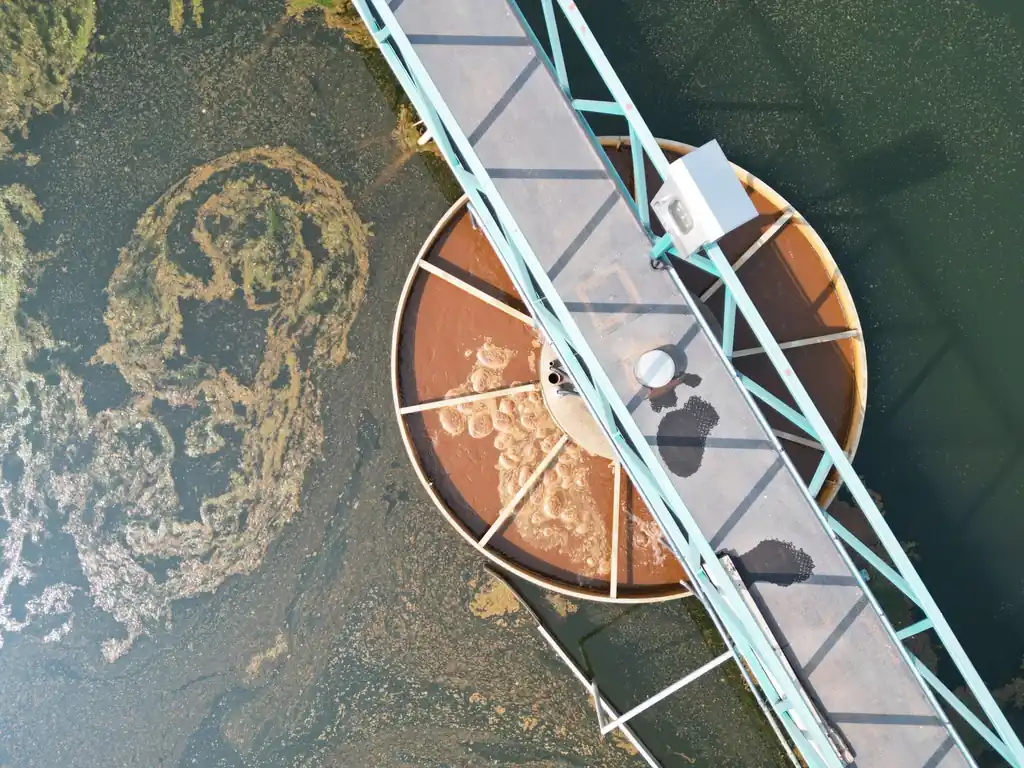
We handle basement backups, floor drain overflows, and sump pit floods in houses across Roseville. You get containment, extraction, and a dry-out that ends when the meter says so.
We work around your operating hours to extract sewage from floor drains, restrooms, and utility rooms. You get containment, extraction, and drying without shutting the whole building down.
emergency sewage water extraction Roseville MI is a Category 3 water remediation process that removes raw sewage, contaminated groundwater, and debris from a flooded structure before mold and bacteria spread. It is not a shop-vac job. Sewage carries E. coli, hepatitis, and other pathogens, so every step runs under containment: plastic sheeting at doorways, PPE for the crew, a truck-mounted extraction unit pulling hundreds of gallons, then an antimicrobial solution on every surface the water touched. We use moisture meters and thermal imaging cameras to find hidden pockets behind drywall and under flooring.
Roseville sits on a lot of older housing stock with clay sewer laterals, and root intrusion in sewer pipe is one of the most common calls we get. Add heavy rain flooding in spring and fall, plus sump pump failure during a power outage, and you have three ways a basement fills fast. If you are searching for sewage water removal near me Roseville Michigan at 2 a.m., we answer. A clogged main sewer line or a failed backwater valve can dump 50 to 200 gallons into a finished basement in under an hour.
Sewage comes out fast, surfaces get treated, and the structure dries to a measured baseline.
Five steps, start to finish. Most Roseville jobs run four hours to two days depending on how far the water traveled and what materials it soaked.
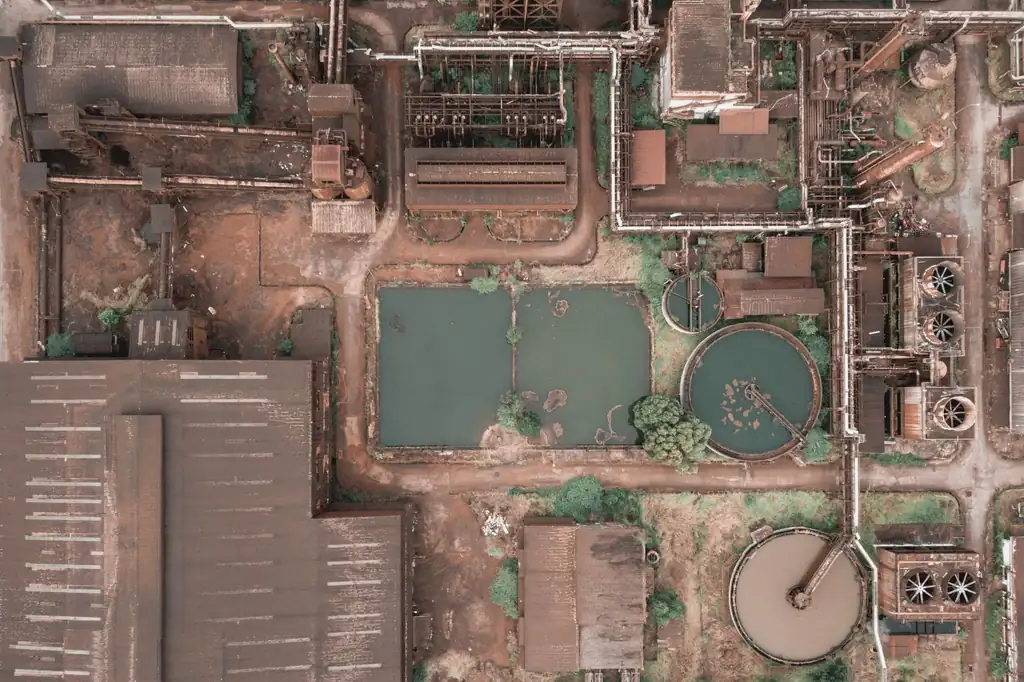
You call +15863528402 and describe what you see: depth, square footage, whether the water is gray or black. We ask about the source so we know whether a plumber needs to clear a clogged main sewer line before we extract. A crew is dispatched with the right equipment, usually within 60 to 90 minutes.
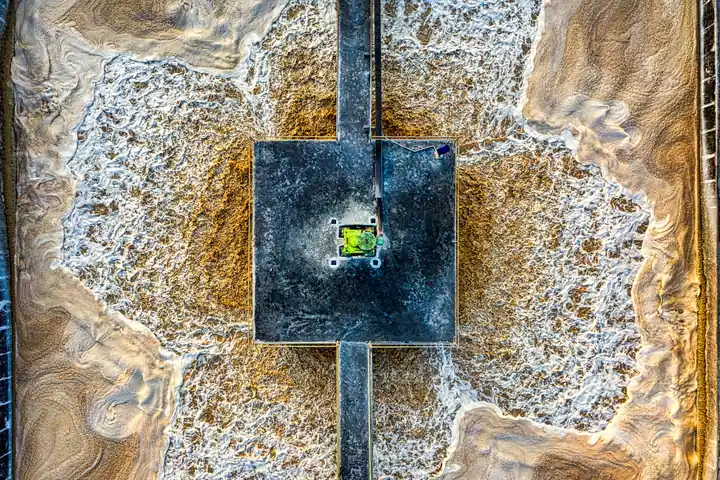
On arrival we set a containment barrier, put on PPE, and walk the space with a moisture meter and thermal imaging camera. We mark the water line on the wall, check for hidden saturation behind baseboards, and shut off power to any wet circuits before equipment goes in.
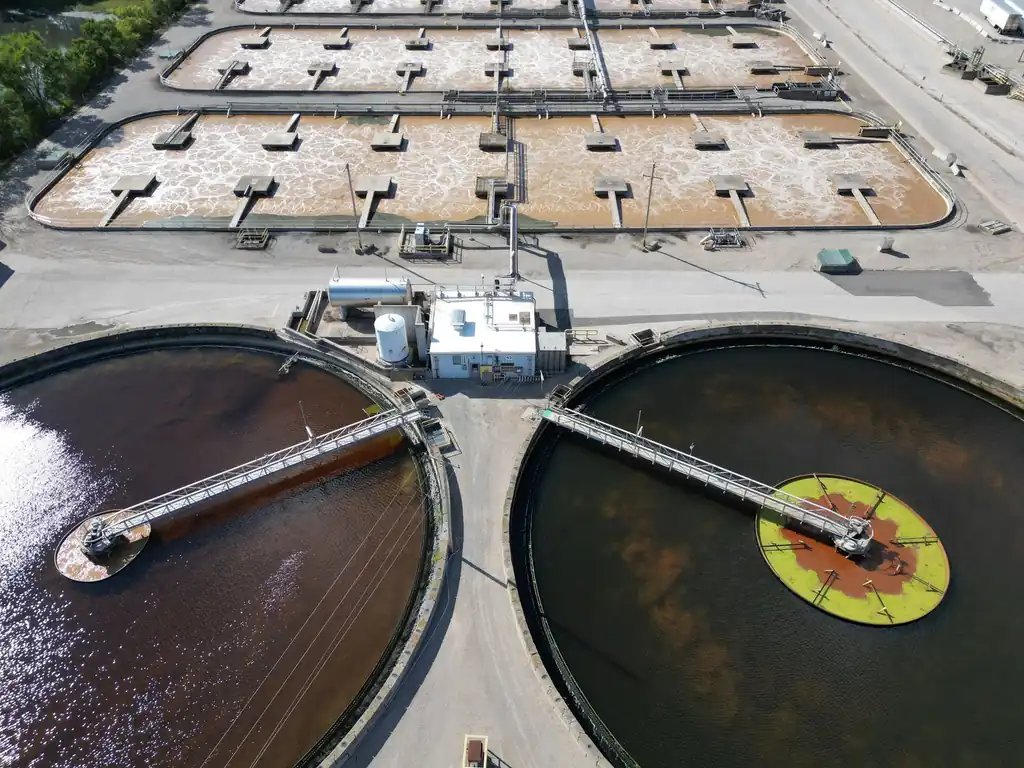
A truck-mounted extraction unit and a sewage pump pull standing water through a pump hose to a holding tank. We work from the deepest point outward. A wet/dry vacuum handles the last inch in corners and along the wall plate. This step usually takes one to three hours.
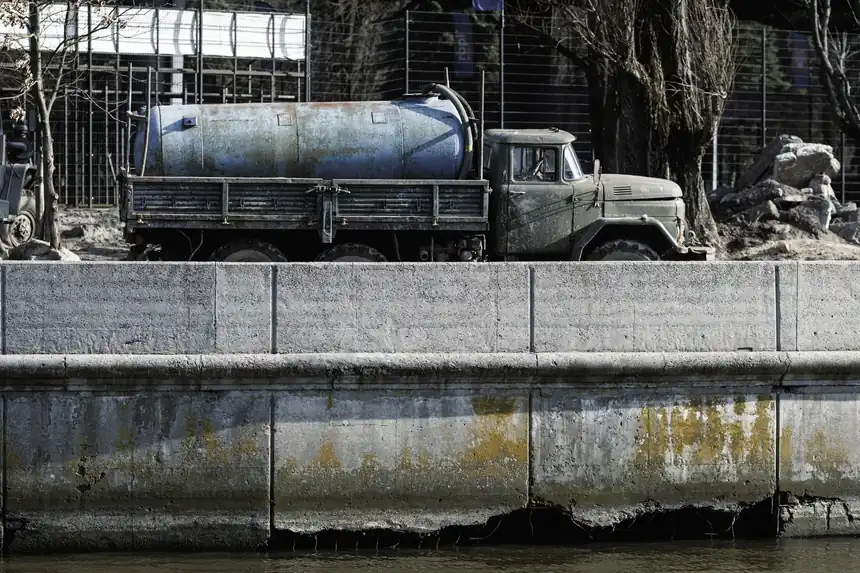
Contaminated drywall, carpet, pad, and flooring that cannot be saved get cut out and bagged. We then apply an antimicrobial solution to the slab, framing, and any salvageable material. A sewer camera may confirm the line is clear before we close up.
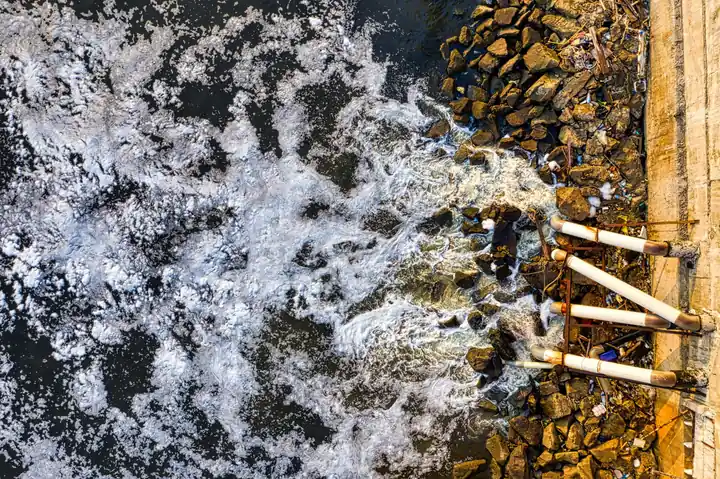
We set a dehumidifier and an air scrubber, then return daily to log moisture readings. Drying runs 24 to 72 hours. We do not call the job done until the meter reads dry against a baseline taken in an unaffected room. You get the readings in writing.
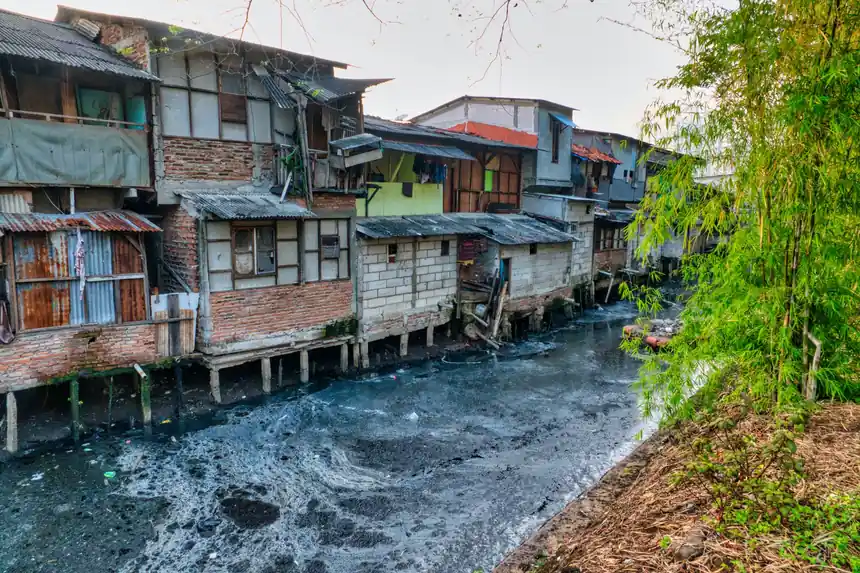
Pulls 100 to 300 gallons of standing sewage water per hour through a pump hose to a holding tank. This is the first tool on site and the one that clears the bulk of the water.
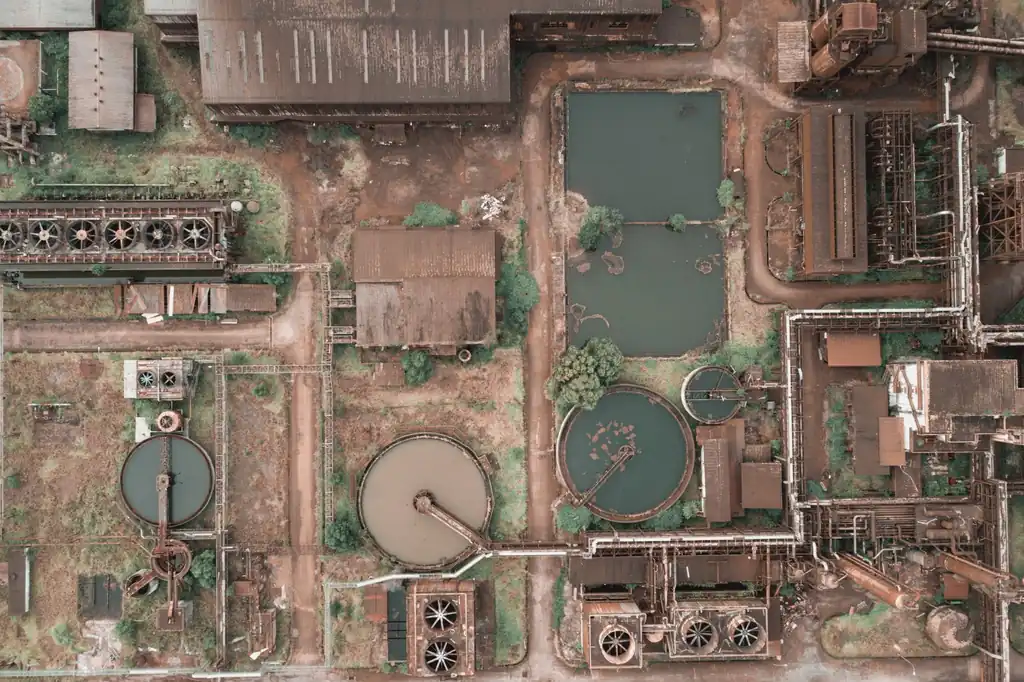
The sewage pump handles deep water in a basement or pit; a wet/dry vacuum gets the last inch in corners, along the wall plate, and around floor drains.
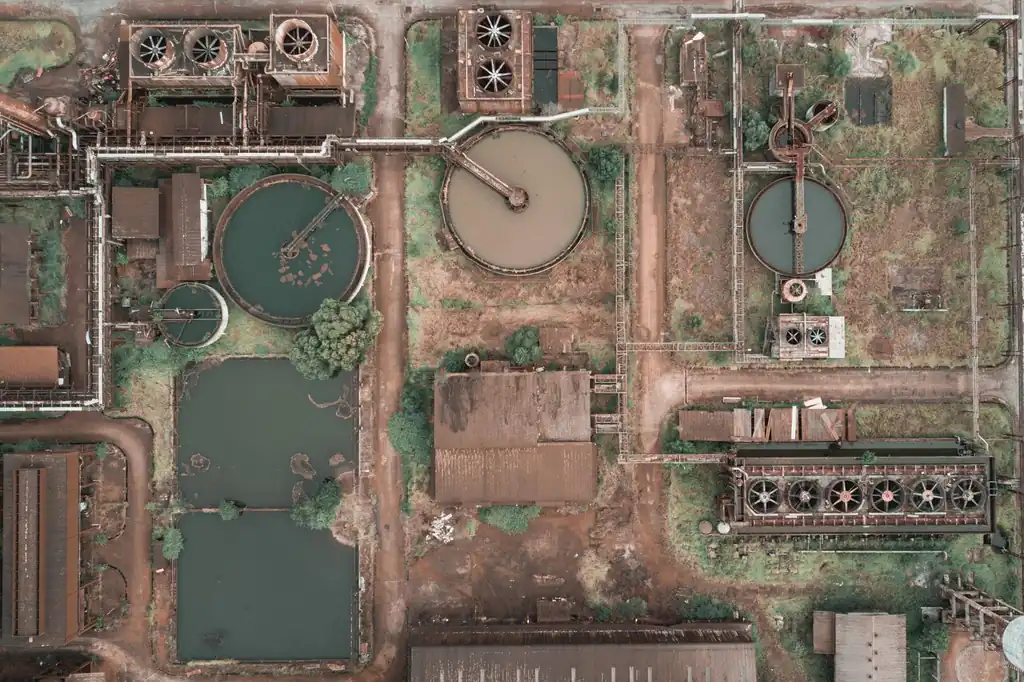
Dehumidifiers and air scrubbers that pull moisture out of the air and filter particles. They run 24 to 72 hours during the dry-out phase.
Finds hidden saturation behind drywall, under flooring, and in framing that looks dry on the surface. We log readings daily and compare them to a dry baseline.
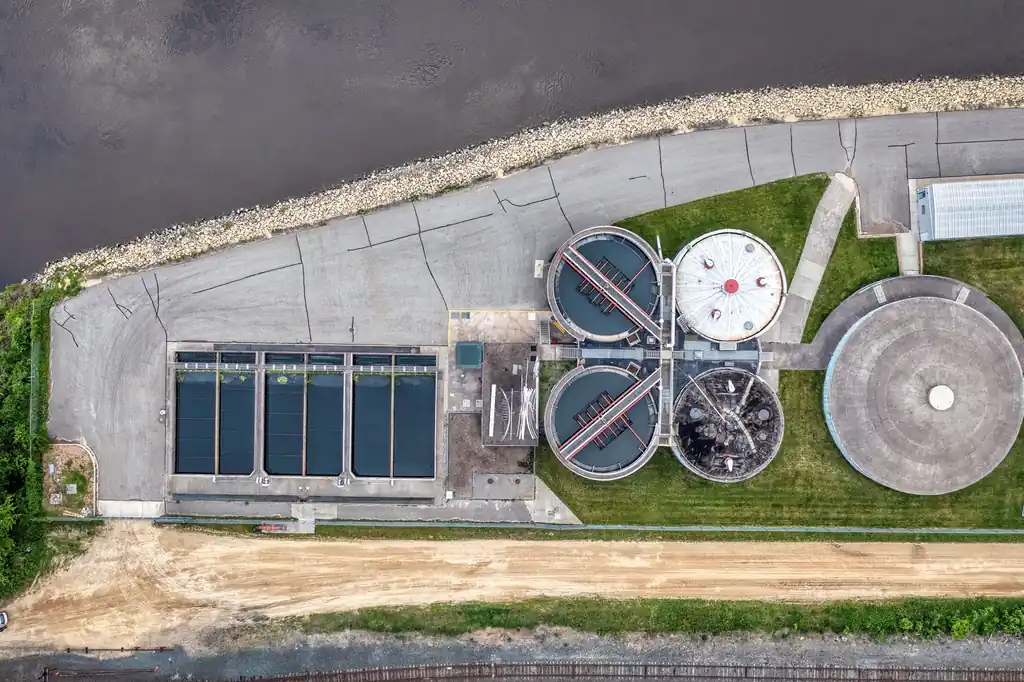
Confirms the main line is clear after extraction and shows root intrusion or a collapsed lateral. It tells us whether the backup will return.
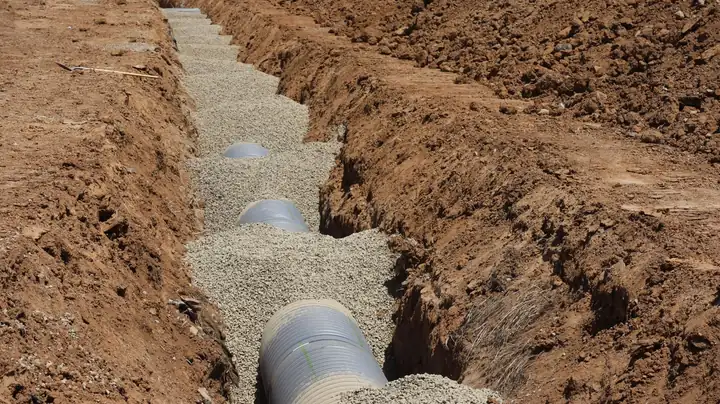
Plastic sheeting, gloves, masks, and suits keep Category 3 pathogens inside the work zone and out of the rest of your home.
Applied to the slab, framing, and salvageable materials after extraction to kill bacteria and slow mold growth. Sewage absorbent handles the sludge that will not pump.
Our technicians follow IICRC Water Damage Restoration Technician and Applied Structural Drying standards for extraction, drying, and verification. That means a baseline reading, daily logs, and a dry standard we do not stop short of.
We set containment, extract with a truck-mounted unit, cut out the bottom 12 to 24 inches of drywall, and treat the slab and framing with an antimicrobial solution. A dehumidifier and air scrubber run for 48 to 72 hours with daily moisture checks. The basement is dry to a verified baseline, the smell is gone, and you have a photo and moisture log for your insurance claim.
We extract the standing water, then run a sewer camera to find the clog. If roots or grease are the cause, we tell you what the line needs. We also test the backwater valve so the drain stops backing up. The floor is dry and disinfected, and you know exactly why it backed up instead of guessing.
We pull the carpet and pad, extract the slab, and treat the area with an antimicrobial solution. We test the sump pump and discharge line, then set a dehumidifier and air scrubber for a 24 to 48 hour dry-out. The slab is dry, the contaminated carpet is gone, and you know whether the pump needs replacing before the next storm.
We contain the affected unit, extract the water, remove contaminated materials, and dry the space. We document everything with photos and moisture readings so the owner and adjuster have a clean file. The unit is dry and treated, and the owner has the paperwork to close the claim and get the tenant back in.
Roseville's housing stock is the biggest factor in how a sewage job plays out. Much of the city was built between the 1940s and 1970s, and a lot of those homes still have clay sewer laterals that roots find within a decade. When a lateral cracks, the fix is a line repair, but the emergency is the water already in your basement. We see the same pattern every spring and fall: heavy rain flooding overwhelms the combined storm and sanitary flow, water pushes back through the lowest drain, and a finished basement takes on two to four inches before anyone notices. Winter adds a different problem. A frozen or blocked line can back up when the ground thaws, and sump pump failure during an outage turns a clean-water event into a contaminated one. We run 24/7 sewage water extraction Roseville MI calls with a truck-mounted unit, containment barrier, and antimicrobial solution loaded, and we know which blocks along Gratiot and Groesbeck flood first. If you need sewage water pump out and extraction Roseville Michigan on a Sunday night, we are already staged for it.
Three inches of sewage across 600 square feet of finished basement in Downtown Roseville 48066. Carpet, pad, and the bottom 18 inches of drywall were saturated, and the smell reached the first floor.
Water extracted in two hours, 600 square feet of carpet and pad removed, drywall cut to 18 inches, and the slab and framing treated with an antimicrobial solution. Drying ran 72 hours. Final moisture readings matched the dry baseline in the hallway.
We recommended a backwater valve inspection each spring and a sump pump test before storm season. Both take under 15 minutes and prevent a repeat flood.
A root intrusion in the main line backed sewage into two Eastpointe units on a Friday night. Each unit had about an inch of gray water and a floor drain that kept backing up with every flush.
Both units extracted the same night, a RIDGID sewer camera confirmed the root mass, and the affected flooring was removed and the slab treated. Drying ran 48 hours per unit. The owner had photos and moisture logs for the claim by Monday.
The line needed root cutting and a follow-up camera check in six months. We flagged it in the scope so the owner could schedule it before the next backup.
A sump pump quit during a storm in Old Roseville and the pit overflowed into a carpeted basement. About 400 square feet of carpet was soaked, and the water had mixed with floor debris.
Carpet and pad pulled, slab extracted and treated with an antimicrobial solution, and a dehumidifier and air scrubber ran for 48 hours. We tested the pump and discharge line and noted the pump needed replacing. Final readings were dry.
We told the homeowner to test the sump pump monthly with a bucket of water and to check the discharge line for freezing before winter.
Most Roseville sewage calls come down to four failures. Each one needs extraction, but each one also needs a different fix so it does not happen again next storm season.
We extract the water, cut out saturated materials, apply an antimicrobial solution, and dry the space with a dehumidifier and air scrubber. We also check the backwater valve and sump pump so the next storm does not repeat the flood. Standing Category 3 water soaks drywall, carpet, and stored belongings within hours, and mold can start in 24 to 48 hours.

We extract what has already backed up, then run a sewer camera to find the blockage. If it is roots or grease, we tell you what the line needs before we finish, so the backup does not return the next time you run water. Every flush sends more sewage into the lowest drain in the house, usually a basement floor drain or laundry standpipe.
We extract the standing water, treat the slab, and test the sump pump and discharge line. If the pump is dead, we note it in the scope so you can replace it before the next storm. Drying usually runs 24 to 48 hours. The pit fills, the basement floods, and the water mixes with whatever is on the floor, turning a clean-water event into a contaminated one.
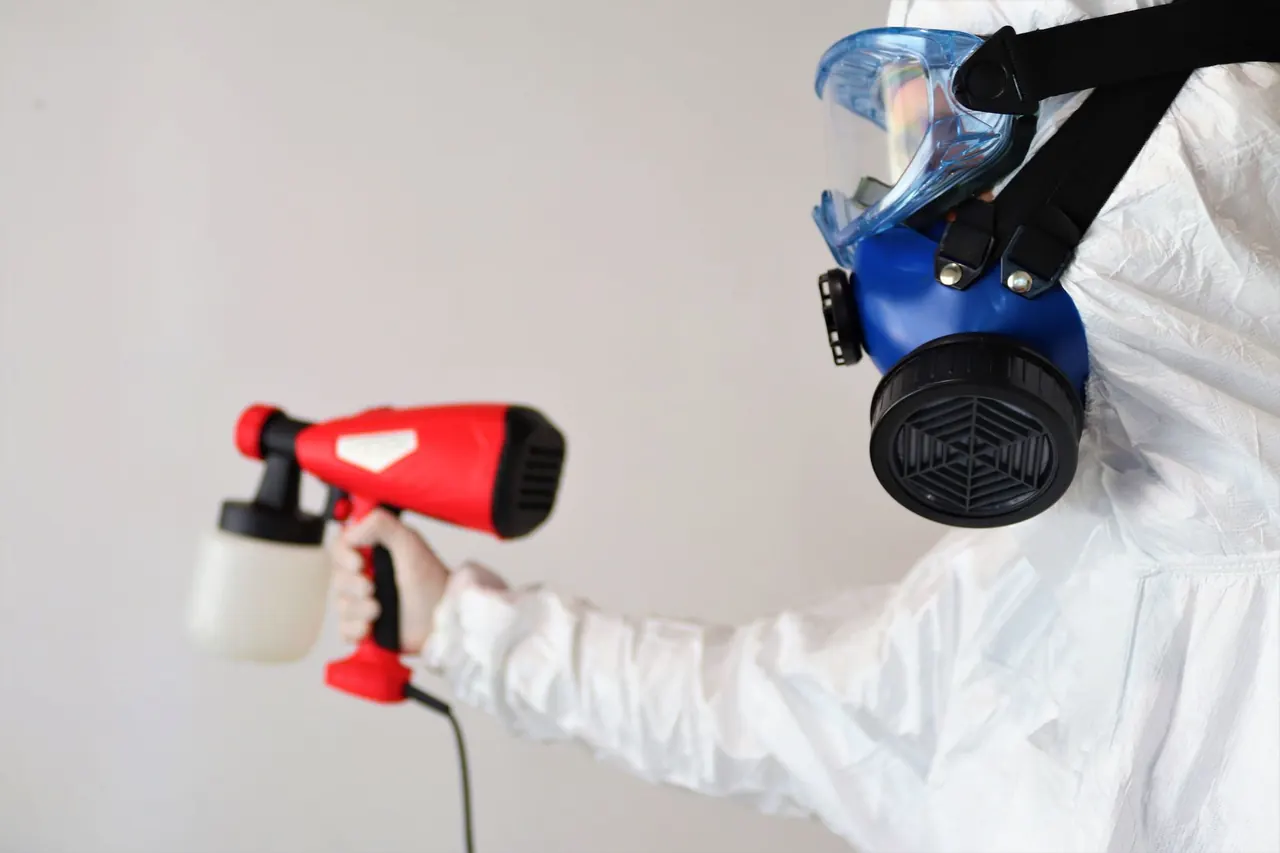
We apply an antimicrobial solution to every surface the water touched, then run an air scrubber with a HEPA filter for 24 to 72 hours. If mold is already visible, we contain the area and remove the affected material before drying. A backup that sat for a day or two leaves bacteria in the slab and framing, and the smell does not go away with air freshener.
A truck-mounted extraction unit pulls 100 to 300 gallons of standing sewage water in the first hour on site. That speed matters because mold growth after sewage exposure can start within 24 to 48 hours. We stage the pump hose, run the extraction, and keep going until the moisture meter reads dry at the slab.
We build a containment barrier with plastic sheeting before any equipment crosses your threshold. That keeps airborne pathogens out of your kitchen, bedrooms, and HVAC returns. Crews wear full PPE, and every hose and boot gets wiped with disinfectant before it leaves the containment zone.
Foul odors after a backup come from bacteria in the sludge, not just the water. We apply an antimicrobial solution to the slab, joists, and lower drywall after extraction. A Dri-Eaz air scrubber with a HEPA filter then runs for 24 to 72 hours to pull remaining particles out of the air.
We photograph the affected area, log moisture readings, and note what was removed. That file goes to your adjuster and speeds up the claim. Most Roseville policies cover sudden sewage backup, and our documentation makes the difference between a fast payout and a fight.
Clear records you can keep and share.
What gets extracted, removed, and treated
Daily readings compared to a dry baseline
Images of the affected area before and after
Sewage water is Category 3, which means it carries pathogens and cannot be dried in place like a clean-water leak. Knowing what gets removed and what can stay helps you plan.
If the backup is still coming in, stop running water in the house. Every flush or load of laundry pushes more sewage into the lowest drain.
Do not walk through standing sewage or let pets near it. The bacteria can cause illness through a cut or a splash, and the water may be hiding a live circuit.
Carpet, pad, and the bottom foot or two of drywall usually come out. Those materials hold contamination and cannot be dried back to a safe condition.
Outside these areas? Call us and ask, we may still be able to help. +15863528402
Most Roseville crews arrive within 60 to 90 minutes of your call, and extraction starts within the first hour on site. We dispatch a truck-mounted extraction unit and containment supplies together, so there is no second trip for equipment. If the backup is in Downtown Roseville 48066 or Eastpointe, drive time is usually under 30 minutes. Call +15863528402 and we will give you a live arrival window.
We use a truck-mounted extraction unit and a sewage pump for bulk water, a wet/dry vacuum for the last inch, and a pump hose to a holding tank. Drying runs on Dri-Eaz and Phoenix Restoration Equipment dehumidifiers and air scrubbers. We confirm the line with a RIDGID sewer camera and check saturation with a moisture meter and thermal imaging camera. Every surface gets an antimicrobial solution after extraction.
Extraction plus antimicrobial treatment and controlled drying prevents most mold growth, but timing decides it. Mold growth after sewage exposure can begin in 24 to 48 hours, so same-day extraction is the difference. We apply an antimicrobial solution to the slab and framing, then run an air scrubber and dehumidifier for 24 to 72 hours. We log moisture readings daily and do not stop until the affected area matches a dry baseline.
Typical 2026 pricing in this area runs $450 to $2,800 for residential sewage extraction, with most single-basement jobs landing between $900 and $1,800. Square footage, water depth, and how much contaminated drywall and flooring must be removed drive the number. After-hours calls and Category 3 contamination add cost. We give you a written scope before work starts, and most Roseville insurance policies cover sudden backup.
Sewage in your basement gets worse by the hour. We answer around the clock, dispatch a truck-mounted extraction unit, and give you a written scope before work starts. Call +15863528402 and we will tell you exactly when we arrive.
Call us any time, day or night. A real person answers, asks what backed up and where, and dispatches a crew with the right equipment. Most Roseville calls get a technician on-site within 60 to 90 minutes. If you prefer email, send photos and your address to [email protected] and we will reply with next steps.